
What is CharcoalHow is charcoal made?Charcoal, also known as raw coal, can be technically described as a soft, black, brittle and porous substance that resembles coal and is usually produced when materials such as wood, sugar and bone char are heated to high temperatures in the absence of oxygen. It consists of almost 86 – 98% of carbon and is used for a variety of purposes.
"Many of us use charcoal each time we have a barbecue, but almost no one knows much about it, and how it can improve your barbecue experience." One such ancient method of making charcoal is known as coppicing. This method dates back to 500BC when wood was abundantly available and is still followed in many parts of the world. In this method, wooden logs were prepared by cutting down trees to a stump or stool. These logs were piled up on top of each other in the form of a cone. Vents were left at the bottom so as to provide air circulation and the entire pile was covered using moistened clay. Flame was provided at the bottom of the pile. Coppicing is entirely a sustainable method of charcoal making where the tree is not completely destroyed. The advantage of this method is that new branches begin to form from the edge of the stool and once these branches become large enough they can be harvested. The basic disadvantage of this process is that it is entirely dependant on the combustion rate of the wood. As a result, yield is about 60 parts by volume or 25 parts by weight. "The temperature of charcoal once ready and going, in its third phase should be around 400°C, that is 752 Fahrenheit. This temperature can go even higher as the carbon content in the charcoal increases gradually."
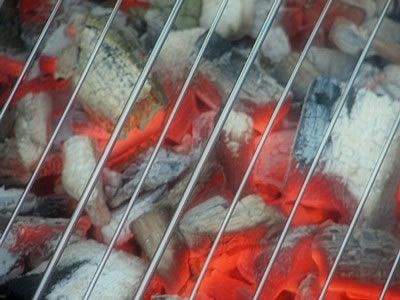
In the first phase, the water that is present in the wood gets evaporated or vaporized. Water occupies a major proportion of mass inside a wooden log. In fact, almost 50% of the content present inside the wood is water. At this point, the overall temperature of the wood is almost close to the boiling temperature of water. Once the water gets evaporated, the wood then enters the second phase where smoke starts to come out. At this point, the temperature is way above the boiling point of water and is about 270 - 280°C. The smoke that comes out of the wood is a combination of combustible gases and tars. At this point, the wood burns in the presence of oxygen and release smoke along with bright flames. The last stage starts when the water inside the wood has got evaporated and the combustible gases have got exhausted. In this stage, wood burns in the absence of oxygen and forms charcoal that contains almost 70% carbon. This is the phase that emits the maximum heat and produces a strong red glow. The temperature of charcoal in the third phase is around 400°C. As the temperature goes even further, the carbon content in the charcoal increases gradually. However, the disadvantage of increasing carbon percentage is that the coal becomes extremely brittle and is difficult to handle. |
Fire Pit Plans & Outdoor Firepits > Charcoal Grills - Fire pits > What is Charcoal
|
 As per the available documentary evidences, usage of coal by humans dates back
to around 30,000 BC. When it comes to European countries, coal was used some 5,000 years ago for smelting of
metals such as iron and copper. Except coal, there was no other fuel source available during that period that
could provide temperatures around 1000°F required for smelting process. From then onwards, coal was being made
using different methods.
As per the available documentary evidences, usage of coal by humans dates back
to around 30,000 BC. When it comes to European countries, coal was used some 5,000 years ago for smelting of
metals such as iron and copper. Except coal, there was no other fuel source available during that period that
could provide temperatures around 1000°F required for smelting process. From then onwards, coal was being made
using different methods.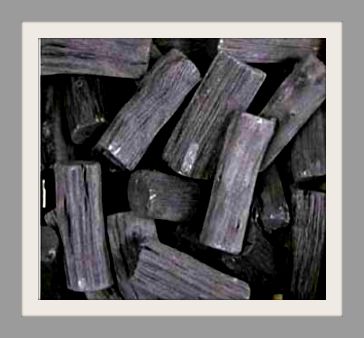 As the times evolved, there was a significant change in the process of
charcoal making so as to ensure higher yield and better quality within least possible time and using lesser
amount of harvested wood and other resources. At present, there are two different methods of making charcoal.
The first method is the ancient kiln method and the second one is the retort or continuous method. Both these
methods have their own set of advantages and disadvantages in terms of yield and process time and are used as
per convenience and requirement.
As the times evolved, there was a significant change in the process of
charcoal making so as to ensure higher yield and better quality within least possible time and using lesser
amount of harvested wood and other resources. At present, there are two different methods of making charcoal.
The first method is the ancient kiln method and the second one is the retort or continuous method. Both these
methods have their own set of advantages and disadvantages in terms of yield and process time and are used as
per convenience and requirement.



© 2006 - 2012 FirePits.com All Rights Reserved Worldwide What is Charcoal