
Charcoal BriquettesCharcoal Briquettes – Are they really worth their value?Charcoal is one of the most traditionally used fuel sources whose utility is described for a variety of purposes such as cooking, making gun powder, water filtering, curing tobacco, manufacturing glass and as an additive to poultry and stock feed. However, in this modern era, usage of coal is becoming restricted to outdoor cooking. Outdoor cooking using charcoal is a pleasurable and enjoyable experience. In fact, no one can ever disagree with respect to the distinct flavor of the food and the aroma associated with charcoal cooking, which is truly wonderful.
Invented in the year 1920 by Henry Ford, briquette is the most widely used coal variety in the world. Briquette is primarily made of two basic ingredients that include the traditional lump wood charcoal or char and anthracite. Char is derived by burning hardwoods such as maple, oak, hickory and beech and is responsible for providing the distinct wood-smoke flavor in foods. Anthracite produces high temperature and flames that last long. To be precise, almost 90% of briquette is made of these two ingredients. The remaining portion is comprised of materials such as starch, nitrate and lime. While starch is used as a binding agent, nitrate acts as a accelerant and lime is a ash-whitening agent that lets the barbecuer recognize whether the briquettes are ready to cook or not. Instead of starch, one can also use materials such as corn and wheat as binding agents.
Apart from polluting the air and the surroundings, burning of briquettes on the grills results in the release of greenhouse gases and indirectly contributes to global warming phenomenon. Some of the ingredients present in briquettes such as starch, nitrate and borax release harmful elements when exposed to high temperatures. If inhaled, these chemicals can cause respiratory problems and other related diseases. Burning briquettes can be detrimental to the health of individuals because burning of charcoal results in the
release of harmful hydrocarbons, free radicals and tiny soot particles that can result in the incidence of heart
and lung problems. Most of the conditions that can arise as a result of briquette cooking do not have any cure. As a result, it is very much important to have proper preventive measures so as to minimize risk. The best preventive measure is to use a pure form of coal that doesn’t contain any other materials and is of good quality. In fact, the sale of briquettes is restricted in Canada and has been categorized under the Hazardous Products Act. Under this act, one can advertise, import or sell charcoal briquettes in the country only when the manufacturer displays a label warning indicating the potential hazards about the product. |
Fire Pit Plans & Outdoor Firepits > Charcoal Grills - Fire pits > Charcoal Briquettes
|
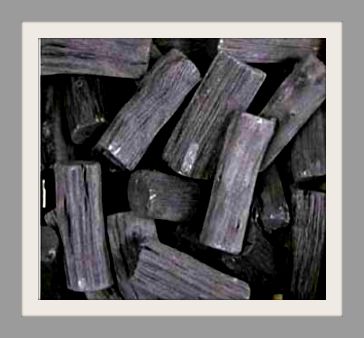 Charcoal can be technically described as an irregular arrangement of tiny
carbon particles. It is actually a black, brittle substance that contains a combination of amorphous carbon
and ash and is obtained by burning hard wood. Coals that are used for cooking are of different types based on
the ingredients present in them. These varieties include lump wood coal, briquettes and extruded coal.
Charcoal can be technically described as an irregular arrangement of tiny
carbon particles. It is actually a black, brittle substance that contains a combination of amorphous carbon
and ash and is obtained by burning hard wood. Coals that are used for cooking are of different types based on
the ingredients present in them. These varieties include lump wood coal, briquettes and extruded coal.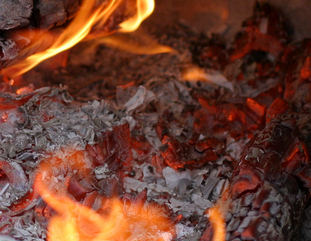 There are two different methods that are used by manufacturers for making
briquettes. The first one is the kiln or batch method and the other one is retort or continuous method.
There are two different methods that are used by manufacturers for making
briquettes. The first one is the kiln or batch method and the other one is retort or continuous method.



© 2006 - 2012 FirePits.com All Rights Reserved Worldwide Charcoal Briquettes